
Each and every one of them in the crowd wanted to be healed (John 5:1-9). That’s why they were there, surrounding the pool. Jesus asks the man a rhetorical question, “Do you want to be made well?” Because based on how the man responds, what Jesus may really have been asking was, “If so, why haven’t you already been into the pool?”
Everyone seeks healing, and that’s why they are there. The question really gets at the barriers to our healing, everyone’s healing.
The story ends well, for the man. In this Gospel, Jesus leads the man to new life. How does he get there? The text reads like all Jesus did was snap his fingers and the story is over. But let’s break it down.
To set him on the path to new life, Jesus provides the necessary support that man needed but never got from anyone else, for 38 long years.
Recall, for context, many more people than usual were in Jerusalem for the festival and passed by the pool on their way to the temple to offer a sacrifice.
This is how Sue Monk Kidd describes the scene at a healing pool in her creative telling of the Gospel. This scene is told from the perspective of someone close to Jesus:
“We crossed the valley with the little lamb on Jesus’ shoulders and entered Jerusalem through the Fountain Gate near the Pool […]. We planned to cleanse ourselves there before entering the Temple, but we found the pool glutted with people. A score of cripples lay on the terraces waiting for some sympathetic soul to lower them into the water.
“’We can purify ourselves at one of the mikvahs near the Temple,’ I said, feeling repulsed by all the infirmities and foul bodies.
“Ignoring me, Jesus thrust the lamb into my arms. He lifted a paralytic boy from his litter; his legs were twisted like tree roots.
“’What are you doing?’ I said, trailing after him.
“’Only what I’d want if I were the boy,’ he replied, carrying him down into the water. I clutched the squirming lamb and watched as Jesus kept the child afloat while he splashed and bathed.
Naturally, his deed set off shouts and pleas from the other cripples, and I knew we would be here a while. [Jesus] bore every one of them into the pool” (Kidd, 2020, pp. 169-170). This is Jesus. This is the beloved character of Jesus.
During the Easter season, we celebrate the resurrection of Jesus. And we see how it is in Jesus’ nature and purpose, exampled by this Gospel text, to lead us to life, beginning in this life. The one you have now, however imperfect, broken, hurting, sinful. Jesus beckons us to new life.
But the path to new life isn’t a solo journey. We understand that everyone is not the same. But that means everyone has different needs. And so, everyone needs everyone else to do their part to help. Interdependence. As the body of Christ in the world today, the church is about following together in Jesus’ way by helping each other.
Jesus models how it’s done in a simple yet vivid way: He acts to remove the barriers that keep others from their path to growth, healing, and new life. Jesus levels the playing field, so everyone at least has an opportunity, like everyone else, to grow and be renewed.
Doing this is not easy and it means taking a risk. Jesus healed the man on the Sabbath. He broke convention and the rules for the sake of the wellbeing of another. Jesus got in trouble with the law for his acts of compassion and healing.
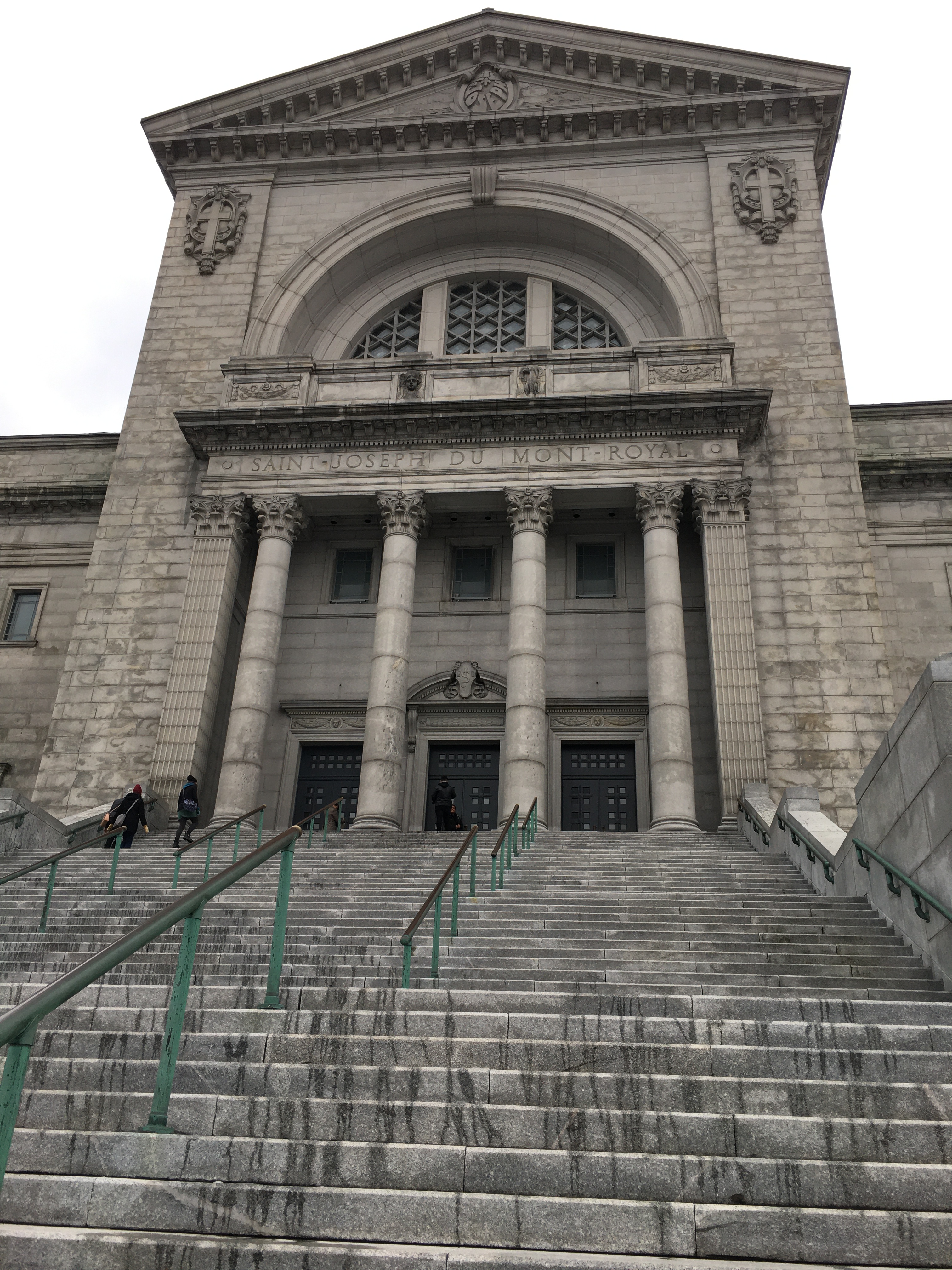
There’s a meme that’s gone around my social media page. It’s an animated picture of the front of a church during a snowstorm. There’s a crowd of people waiting to climb the steps to get into the building. But they are waiting for the lone caretaker to shovel off the pile of snow making entrance impassable for anyone. Amid the crowd is one person in a wheelchair.
The caretaker, before attacking the snow blocking the stairs, begins his work by shovelling the long, switchback ramp leading up to the main doors.
The crowd complains – “Hey, do the stairs first. There’s more of us!”
The caretaker responds – “If I shovel the ramp first, then all of us can enter right away.”
Jesus leads us into new life by removing the barriers. It’s a new life given to us all, not just those in the majority.
Dietrich Bonhoeffer said we don’t find truth and freedom by focusing exclusively on our own needs and wants. We find God’s truth and freedom by focusing our attention on another’s needs and wants. In doing that, we free ourselves from whatever blocks us on the journey to new life.
He says it best. Bonhoeffer writes in one of his sermons: “God’s truth alone allows me to see others. It directs my attention, bent in on myself, to what is beyond and shows me the other person. And, as it does this, I experience the love and grace of God … God’s truth is God’s love, and God’s love frees us from ourselves to be free for others” (Barnhill, 2005, p. 151).
There’s a beautiful Taizé song we are chanting before meditation these Easter weeks. It announces and celebrates the living Lord who leads us all into life.
Bless the Lord my soul, and bless God’s holy name. Bless the Lord my soul, who leads me into life. (Berthier, 1981).
What are the barriers you face? What are the barriers others face? And how does God invite you to help level the playing field so that all may come to know new life?
References:
Barnhill, C. (Ed.). (2005). A year with Dietrich Bonhoeffer: Daily meditations from his letters, writings, and sermons. Harper One.
Berthier, J. (1981). Bless the Lord, my soul [Taizé Community]. Les Presses de Taizé, France.
Kidd, S. M. (2020). The book of longings. Penguin.


 Raspberryman