
1 My God, my God, why have you forsaken me?
Why are you so far from helping me, from the words of my groaning?
2 O my God, I cry by day, but you do not answer;
and by night, but find no rest.
3 Yet you are holy,
enthroned on the praises of Israel.
4 In you our ancestors trusted;
they trusted, and you delivered them.
5 To you they cried, and were saved;
in you they trusted, and were not put to shame …
29 To him, indeed, shall all who sleep in the earth bow down;
before him shall bow all who go down to the dust,
and I shall live for him.
30 Posterity will serve him;
future generations will be told about the Lord,
31 and proclaim his deliverance to a people yet unborn,
saying that he has done it.
Last week there was a resurrection, of a kind.
The famed “men’s breakfast” at Faith Lutheran Church resumed after the pandemic had shut it down. Nearly a dozen of us from the church gathered in the same place that had been the venue for the monthly breakfast for years. We even sat in the same part of the restaurant. I couldn’t help but think of some of the guys who used to attend who for whatever reason weren’t or couldn’t be there this time.
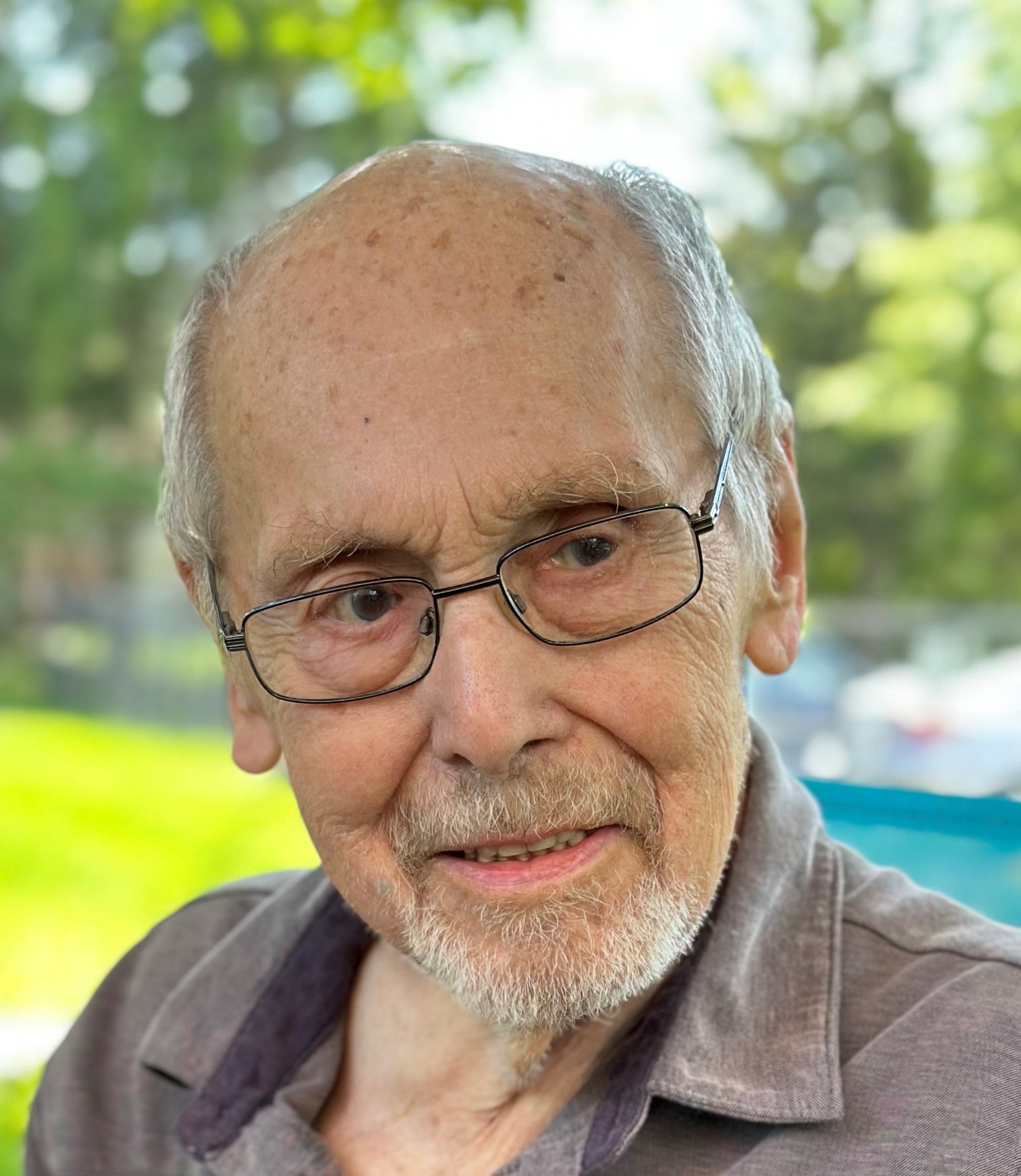
Rolf was one of them.
Eating is what we do as humans. Perhaps that is why Jesus in his resurrection appearance to his disciples made it a point to eat “broiled fish” (Luke 24:36-42) right in front of them. He wanted to show that his resurrection did not deny the value of our humanity as people of faith.
Embracing our humanity makes all the difference in understanding God’s love for us. God doesn’t love us because we are spiritual or have achieved enlightenment in some esoteric way. God loves us just as we are because God is good!
The glory of God, Saint Irenaeus of Lyons (135-202) wrote, is the living human. We don’t experience God or get closer to God by being more spiritual, but by being more human. God comes near to us when we accept and embrace all of who we are including our human frailty, imperfections as well as all the good things that emerge from our true humanity.
Whenever we gather for prayer and worship, we give it all to God. Not just the polished, nice parts. Not just the parts we want to show off and impress others with.
Someone told me a story about what Rolf did years ago, before I came to Faith Lutheran, on a Maundy Thursday during Holy Week. The focus of the service was the suffering of Christ. And it is tradition on Maundy Thursday to read Psalm 22 which Jesus cited from the cross before he died. The words spoken by Jesus are recorded in the Gospel: “My God, my God, why have you forsaken me?” (Mark 15:34)
But on that Maundy Thursday, for whatever reason, the person assigned to read Psalm 22 did not show up. The pastor at the time quickly looked for someone else to read it. At the last minute, Rolf, who was there as an usher, agreed.
But what really shocked someone there was how Rolf read it. At first, they wondered who it was. Because Rolf punched out the words in as loud a voice as he could muster: “My God! My God! Why have you forsaken me?” – with full dramatic effect.
Rolf gave it all. In that moment Rolf lived into the full range of his emotions, giving it all to God. And what Rolf showed in that moment, I believe, was an energy he did not often show to others, especially in the church.
You see, in the community Rolf preferred to work behind the scenes. He didn’t want to be the centre of attention. He probably only agreed to read Psalm 22 that night because on Maundy Thursday that Psalm is read from the back of the church while the altar is being stripped.
In responding to the call to read Psalm 22, Rolf perhaps had to step out of his comfort zone. But in doing so, he revealed his inner strength and truth. And conveyed the truth of the Gospel in so doing.
Jesus’ humanity was exposed on the cross, to be sure. Psalm 22 begins in lament. But it doesn’t end there. It continues into glory, as a celebration of trust and faith in the midst of agony and even death. “I shall live for him,” concludes the Psalmist. It is possible that a time of deepest abandonment can open within us feelings of peace, trust and even thanksgiving.
Rolf may not have been physically present with us at the breakfast last week. But every time the church gathers around food and drink, at the sacrament or whenever you, dear family and friends, gather for a regular meal in a restaurant or at home, we can celebrate Rolf’s life with us and around the eternal banquet feast of heaven. Thanks be to God.
 Raspberryman